
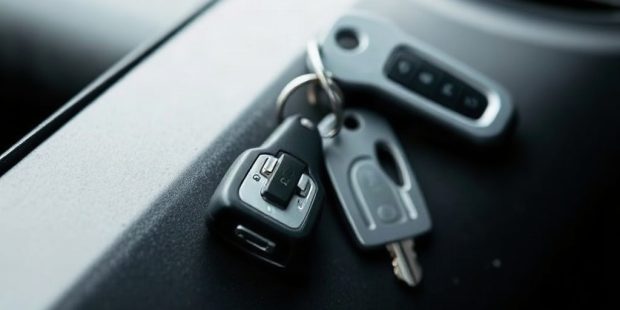
Locked keys in the car turn an ordinary errand into a stressful puzzle, usually at the worst possible moment. You reach for the door handle and realize the fob is sitting in the cupholder while the doors are firmly shut. Before you call a locksmith or a tow truck, it helps to know which options are genuinely safe and which ones risk damage. VehicleTradeUS.com covers practical vehicle safety topics, and the guidance below follows the same principle: protect the car and the people around it first, then solve the problem.
Quick answer: Stop and check every door and the trunk before anything else, because one of them may still be unlocked. Call a locksmith or roadside assistance if you cannot get in within a few minutes. Never break glass or force a window unless a person or animal is trapped inside and in immediate danger.
What is locked keys?
Locked keys describes the situation where your keys are inside the vehicle and every door is secured, leaving you outside with no way in. The keys might be in the ignition, on the passenger seat, in a bag in the trunk, or in the cupholder. The car itself is fine; the problem is purely about access.
Modern vehicles have made this scenario more common in some ways and less common in others. Keyless entry systems often refuse to lock if the fob is detected inside the cabin, which prevents many accidental lockouts. Older cars with mechanical locks and separate fobs have no such safeguard, so a door can be closed and locked with the keys still inside. Push-button start adds a wrinkle: the fob may sit in a pocket or bag that stays in the car while the driver steps out.
Several situations lead to this moment:
- Closing the door on autopilot while the keys rest on the seat.
- A child or pet pressing the lock button from inside.
- A dying fob battery that stops the remote from working after the doors lock.
- A trunk full of groceries where the keys land in a bag and the lid shuts.
- Shared vehicles where a second driver locks up without checking.
The distinction that matters most is whether anyone is inside. An empty car with locked keys is an inconvenience. A car with a child, a pet, or an adult trapped inside is an emergency, and the response changes completely. An older person or a young child can overheat quickly in a closed vehicle, even on a mild day. In that case, call emergency services immediately and follow their instructions rather than waiting for a locksmith.
For a straightforward lockout with nobody inside, you have several options: a spare key, a locksmith, roadside assistance, or a remote unlocking service through a connected-car app. Each has trade-offs in cost and speed. The rest of this guide walks through how to choose safely.
Takeaway: Locked keys are an access problem, not a mechanical failure. Confirm nobody is trapped, then work through your options calmly.
Why locked keys matters
A lockout costs more than most people expect, and the cost is rarely just money. Time, safety, and sometimes damage to the vehicle all factor in. Understanding the stakes helps you pick the right response instead of the fastest-looking one.
Cost and time. A professional locksmith typically charges for a service call plus labor, and prices vary widely by region, time of day, and vehicle type. Late-night or holiday calls usually cost more. Roadside assistance through an auto club or insurer may cover lockouts, but response times can stretch past an hour in busy areas. Knowing your coverage before you need it saves both money and panic.
Safety. A vehicle is a confined space that heats up fast in sun and cools down quickly in cold. Children and pets are at real risk within minutes. Anyone who cannot open a door from inside depends entirely on you acting quickly and correctly. That single fact should drive every decision you make in the first minute.
Damage risk. Improvised entry is where people cause the most harm. Prying a door frame with a screwdriver bends metal and can break the window regulator. Slipping a coat hanger through the weatherstripping can tear the seal or scratch the glass. Breaking a window seems simple until you account for glass fragments, replacement cost, and the risk of injury. The emergency car window escape guidance exists for genuine emergencies, not for convenience.
Insurance and records. Some policies treat lockout service as part of roadside coverage. Others do not. Filing a claim for a broken window may affect your premium depending on your policy and history. A quick call to your insurer or auto club clarifies what is covered before you commit to an expensive option.
A five-dollar wire coat hanger can turn into a several-hundred-dollar repair if it damages a door seal or window mechanism. Professional entry usually costs less than fixing the damage from a failed shortcut.
Takeaway: Weigh cost, safety, and damage together. The cheapest-looking option is often the most expensive once repairs are counted.
Best practices
Good habits prevent most lockouts, and a short checklist handles the ones that still happen. Start with prevention, then keep a clear plan for the moment it goes wrong.
Prevent the lockout before it happens.
- Keep a spare key at home or with a trusted person, never inside the car.
- Take the fob out of your pocket or bag and hold it before closing any door.
- Press the lock button on the fob only after you have visually confirmed the keys are in your hand.
- Teach children never to play with door locks or the fob.
- Check the back seat every time you exit, especially with pets or young children aboard.
Handle the lockout in the right order.
- Check every door and the trunk. A rear door or hatch is often left unlocked by habit. This step costs seconds and solves a surprising number of lockouts.
- Try the spare key. If someone can bring it to you, this is the cheapest and safest route. Set a realistic time for them to arrive.
- Call roadside assistance or a locksmith. Give your exact location, the make and model, and the year. Confirm the quoted price before work begins.
- Use a connected-car app if you have one. Some vehicles allow remote unlock through a subscription service. The app needs a working data connection, so try it early.
- Stay with the vehicle. Do not leave children, pets, or valuables unattended while you seek help.
Check whether your auto club or insurance includes lockout service. Save the number in your phone so you are not searching for it in a parking lot at night.
Prepare a small lockout kit in your bag or wallet. A spare key card, your insurer’s roadside number, and a note of your vehicle identification number take up almost no space. The minutes you save are worth more than the clutter.
Takeaway: Prevention comes down to one habit: keys in hand before the door closes. When a lockout happens anyway, check all doors first, then call for professional help.
Common mistakes to avoid
Most lockout damage comes from a handful of rushed decisions. Avoiding them protects your car, your wallet, and the people around you.
Breaking a window to reach the keys. People do this out of frustration, and it is almost always the wrong call. A side window can cost hundreds to replace, and the glass poses an injury risk. Reserve glass-breaking for a genuine emergency with a person or animal trapped inside, and follow proper technique if you must.
Prying the door with tools. Door frames, weatherstripping, and locking rods are easy to bend and expensive to fix. A professional locksmith uses proper tools designed for the job. Improvised tools usually cause more damage than the lockout itself.
Leaving children or pets inside while you get help. This is the most serious mistake on the list. A closed car heats quickly, and a child or pet can deteriorate fast. Call emergency services first, stay with the vehicle, and follow their advice.
Calling the first number you find without asking the price. Lockout scams exist, and some services quote low then add charges on arrival. Ask for a total price, confirm the business name, and be wary of anyone who demands cash before showing up.
Ignoring a failing fob battery. A weak battery can lock you out or leave you stranded. Replace it at the first sign of reduced range, and keep a spare battery in the glove box.
Walking away from the car unlocked in a rush. Once help arrives and the door opens, it is easy to forget to secure the vehicle. Lock up properly before you leave, especially if the keys were in the car for a while.
A closed vehicle can reach dangerous temperatures within minutes. Call emergency services immediately, stay with the car, and do not wait for a locksmith.
Takeaway: The biggest risks come from impatience. Slow down, protect anyone inside, and let a professional handle the lock.
FAQ
How much does it cost to get locked keys out of a car?
Prices vary by region, time, and vehicle type, so no single figure applies. Expect a service call fee plus labor, with higher rates for nights, weekends, and holidays. Ask for a total price before booking, and check whether your auto club or insurer covers lockouts.
Can I unlock my car with a coat hanger?
It sometimes works on older vehicles with simple lock mechanisms, but it often damages weatherstripping or window seals. Modern cars with electronic locks make the method unreliable and risky. A locksmith is the safer choice in most cases.
Is it safe to break a window if my keys are locked inside?
Only in an emergency where a person or pet is trapped and in danger. For an empty car, breaking glass costs more than professional entry and adds injury risk. If someone is inside, call emergency services and follow their guidance.
Will roadside assistance unlock my car?
Many auto clubs and insurers include lockout service, though terms and response times differ. Check your policy or membership details, and save the number in your phone. Have your location and vehicle details ready when you call.
How can I avoid locked keys in the future?
Keep a spare key outside the car, hold the fob before closing any door, and check the back seat before locking up. Replace a weak fob battery early. These habits prevent most lockouts.
Conclusion
Locked keys are stressful, but the response is straightforward once you know the order of operations. Check every door and the trunk first, then reach for a spare key, roadside assistance, or a locksmith. Protect anyone inside the vehicle above everything else, and skip improvised tools that cause costly damage. Check your coverage now, save the roadside number in your phone, and keep a spare key where you can reach it. A few minutes of preparation today means a lockout stays a minor annoyance instead of an expensive problem.
