

One morning in San Francisco, you step outside into a thick coastal fog, and by the afternoon in Sacramento, the air is dry and hot. Your hair seems to react to every shift, frizzing at the crown, losing shine, or collapsing entirely. California’s microclimates are brutal on smooth styles, and the challenge is real. If you are searching for a reliable solution, the best anti-frizz hair spray for humid climates can act as a critical defense, but the spray alone is not a magic wand. Understanding how humidity, temperature swings, and your own hair structure interact is the key to keeping your style intact from the coast to the valley.
Quick Answer
To maintain smooth hair in California’s varied weather, you must adapt your routine to three distinct humidity zones: coastal damp, inland dry, and valley heat. Use a humidity-resistant anti-frizz spray as a sealant, but first prep with a leave-in conditioner suited to the specific climate you will encounter. The most effective approach combines a lightweight styling cream for dry inland areas with a flexible-hold anti-frizz spray for humid coastal regions, avoiding heavy oils that weigh hair down in heat.
Key Takeaways
- California’s microclimates require different styling products for different regions; a product that works in San Diego may fail in Palm Springs.
- Anti-frizz sprays work best as a finishing sealant over a moisturizing leave-in conditioner, not as standalone treatments.
- Humidity causes the hair cuticle to swell and roughen, which creates frizz; dry heat causes static and flyaways.
- Applying products to soaking-wet hair versus damp hair drastically changes the final texture and hold.
- Overwashing strips natural oils, making hair more vulnerable to humidity and temperature changes.
Why California Weather Is Uniquely Hard on Hair
California does not have a single climate. It has dozens. A drive from the Pacific Coast to the Central Valley can take you from 80% humidity to 20% humidity in under two hours. Your hair reacts to each environment in real time.
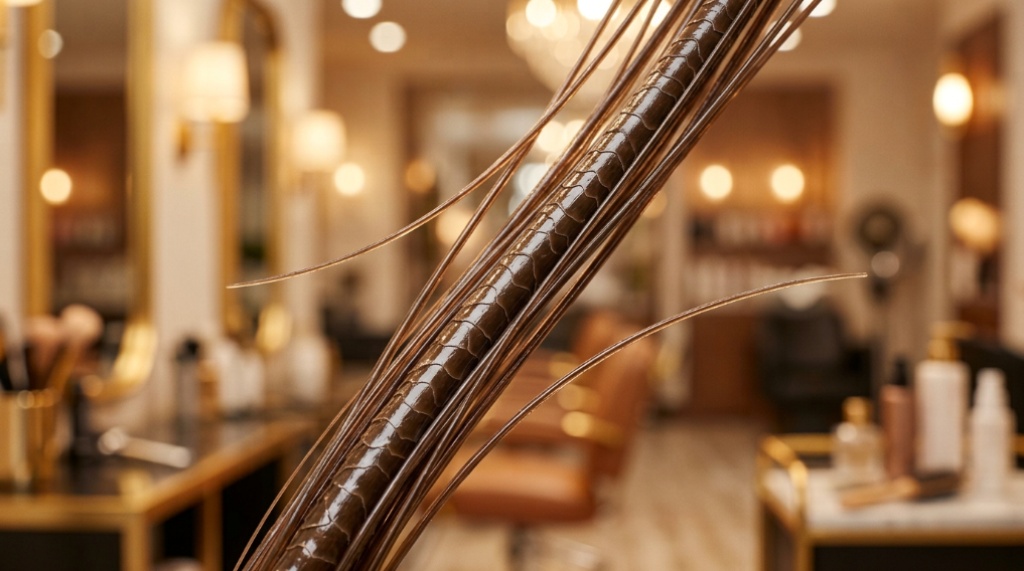
When the air is humid, the protein structure in your hair absorbs moisture from the atmosphere. This causes the cuticle layers to lift and swell. The result is that rough, puffy texture you see on foggy mornings in Santa Monica or Monterey. In dry inland areas like Fresno or Reno, the opposite happens: hair loses moisture to the air, which leads to static, brittle strands, and flyaways that make even a sleek blowout look messy.
The problem is that most people treat California as one weather zone. They use the same shampoo, conditioner, and styling routine whether they are heading to the beach or the desert. This is the single biggest mistake.
How to Match Your Product Routine to Your Region
Your styling routine should change based on where you will spend the most time. There is no one-size-fits-all approach.
Coastal and Bay Area Dampness
If you live near the coast, the air is cool and heavy with moisture. Your goal is to create a barrier that stops external moisture from penetrating the hair shaft. Look for sprays that list hydrolyzed silk or wheat protein as ingredients. These proteins form a light film on the hair surface. Apply the spray to damp hair before blow-drying, then a second light mist over the finished style. Avoid glycerin-heavy products in this climate; glycerin pulls moisture from the air into your hair, which can cause swelling and frizz.
Inland Dry Heat and Valleys
In Sacramento, Bakersfield, or the high desert, hair loses moisture to the environment. Here, anti-frizz sprays are less important than moisturizing leave-in conditioners. You need products that attract water to the hair without making it greasy. Look for ingredients like aloe vera, panthenol, or hyaluronic acid. These humectants draw moisture from the air into your hair, which reduces static and keeps strands supple. A heavy anti-frizz spray can actually make hair feel stiff and brittle in dry heat.
Transition Zones and Daily Commutes
Many Californians commute from a foggy coastal town to a dry inland office. You cannot re-wash your hair at lunch. Instead, layer your products. Start with a lightweight leave-in conditioner on soaking-wet hair. Then apply a flexible-hold anti-frizz spray on damp hair. Blow-dry or air-dry as usual. Once the hair is completely dry, finish with a very light mist of the same spray to seal the cuticle. The key is to set the style with heat or tension so the cuticle lays flat before humidity or dryness can affect it.
Application Technique Matters More Than the Product
You can buy the most expensive anti-frizz spray on the market, but if you apply it incorrectly, it will not work. Here is the most common mistake: spraying product onto dry, styled hair. That is a recipe for sticky, crunchy buildup. Anti-frizz sprays need to be applied to damp hair to be absorbed evenly.
Follow this sequence:
- Wash and condition hair as normal. Rinse with cool water to help close the cuticle.
- Gently squeeze excess water out with a microfiber towel. Do not rub aggressively; that creates friction and frizz.
- Apply your leave-in conditioner or styling cream from mid-lengths to ends.
- Mist your anti-frizz spray evenly over the entire head, focusing on the canopy and hairline where frizz starts first.
- Comb through with a wide-tooth comb to distribute product evenly.
- Dry your hair completely. If you leave hair even slightly damp, humidity will find that moisture and expand the hair shaft, causing frizz within minutes.
Comparison: Anti-Frizz Spray vs. Styling Cream vs. Hair Oil
Different products serve different purposes. Using the wrong one is why many people fail to control frizz.
| Product Type | Best For | Main Limitation | When to Use |
|---|---|---|---|
| Anti-Frizz Spray | Humid coastal climates, flexible hold, sealing cuticle | Can feel stiff if over-applied; less effective in dry heat | Damp hair before drying and as a final light mist |
| Styling Cream | Dry inland heat, adding moisture, defining texture | Can weigh down fine hair; may attract dust in dry air | On soaking-wet hair before any other product |
| Hair Oil | Adding shine, taming flyaways on dry hair | Does not prevent humidity frizz; can make hair look greasy | Only on completely dry hair for finishing |
For most Californians, the best routine involves a styling cream for moisture and an anti-frizz spray for hold and humidity protection. Hair oil is optional and should be used sparingly. In dry heat, skip the oil entirely if you have fine hair.
Common Mistakes That Sabotage Smooth Hair
Even with the right products, small errors can ruin your results. Here are the most frequent mistakes and how to fix them.
- Applying product to dry hair. Anti-frizz sprays cannot distribute evenly on dry hair and will leave a sticky residue. Always apply to damp hair.
- Using too much product. Start with a small amount. You can always add more, but you cannot take it out without rewashing.
- Touching your hair during the day. Your hands have natural oils that transfer to your hair, disrupting the cuticle and causing frizz.
- Skipping heat protection. If you blow-dry or flat-iron, you must use a heat protectant. Heat damage makes hair permanently frizzier over time.
- Washing hair every day. Overwashing strips natural oils that protect the hair from humidity and dryness. Aim for every other day or less, depending on your hair type.
Frequently Asked Questions
Can I use the same anti-frizz spray in both humid and dry California climates?
You can, but you may need to adjust the amount. In humid climates, use a generous mist to create a barrier. In dry climates, use a very light mist or switch to a moisturizing leave-in conditioner instead. Heavy sprays can make hair stiff and brittle in dry heat.
How do I refresh my hair after a commute from fog to dry heat?
Do not re-wet your hair. Instead, rub a single drop of lightweight serum or a tiny amount of leave-in conditioner between your palms and smooth it over the frizzy areas. Then lightly mist with water and smooth down with your hands. Avoid brushing, which can break up the style.
Is anti-frizz spray safe for color-treated hair?
Yes, most are safe, but check the label. Look for sprays that are sulfate-free and alcohol-free. Alcohol can dry out color-treated hair and cause fading. Many anti-frizz sprays contain UV filters that help protect color from sun damage.
Why does my hair frizz even when I use anti-frizz spray?
You may be applying it to dry hair, using too much product, or not drying your hair completely. Frizz occurs when the hair cuticle is raised. If any moisture remains in the hair, humidity will cause swelling. Ensure hair is 100% dry before you finish styling. Also, check if your spray contains glycerin, which can attract too much moisture in high humidity.
How often should I wash my hair in California’s changing weather?
For most hair types, washing every two to three days is ideal. If you live in a humid coastal area, you may need to wash more often if you sweat or use heavy products. In dry inland areas, washing less frequently helps preserve natural oils. Use a dry shampoo on off days to refresh roots without stripping moisture.
Conclusion
Maintaining smooth hair in California requires flexibility. The product that works in Half Moon Bay will not work in Death Valley. The core strategy is to moisturize in dry heat and seal in humid damp. Start with a leave-in conditioner on damp hair, layer an anti-frizz spray for hold, and dry your hair completely before stepping outside. Pay attention to the microclimate you are in and adjust your routine accordingly. With the right technique and a willingness to adapt, you can keep your hair smooth no matter what the California weather throws at you.
