
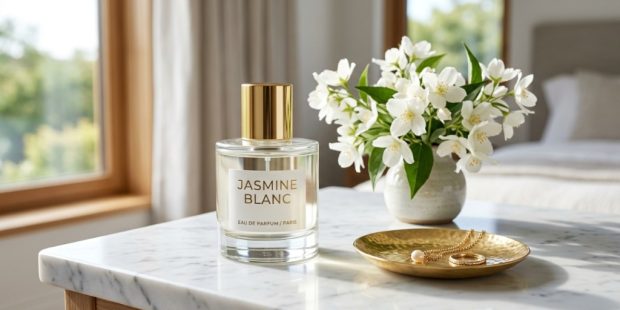
You know the feeling. You walk past someone, and their scent lingers in the air like an unforgettable melody. Meanwhile, you’re standing in front of a department store counter, overwhelmed by dozens of bottles, wondering if you will smell like a fresh bakery, a tropical garden, or a leather handbag by the end of the day. Choosing the right fragrance shouldn’t feel like a chemistry exam. Whether you are heading to the office, meeting someone special, or just running errands, the best perfumes for women are the ones that match the moment without screaming for attention. This guide will help you decode fragrance notes, understand when to wear what, and discover how a single scent can transition seamlessly through your entire life.
What Actually Makes a Perfume Suitable for the Office?
For a professional environment, choose light, clean, and non-intrusive scents such as fresh citrus, green tea, or soft musk. Heavy gourmands (think vanilla cake or caramel) and intense florals can overwhelm colleagues in close quarters.
Why Less Is More in a Cubicle
Your fragrance should not enter the room before you do. Office-friendly perfumes sit close to the skin and project softly. Look for notes like bergamot, pear, white tea, or ambrette seed. These ingredients create a polished aura without triggering headaches or allergies.
Practical Tips for Wearing Fragrance at Work
- Apply to pulse points behind your knees or ankles rather than your wrists and neck. Heat rises, and your scent will migrate upward naturally.
- Spray from a distance of at least six inches to diffuse the alcohol blast.
- Reapply sparingly post-lunch using a dabber or rollerball, never a full spray.
How Should a Date Night Perfume Differ from Everyday Scents?
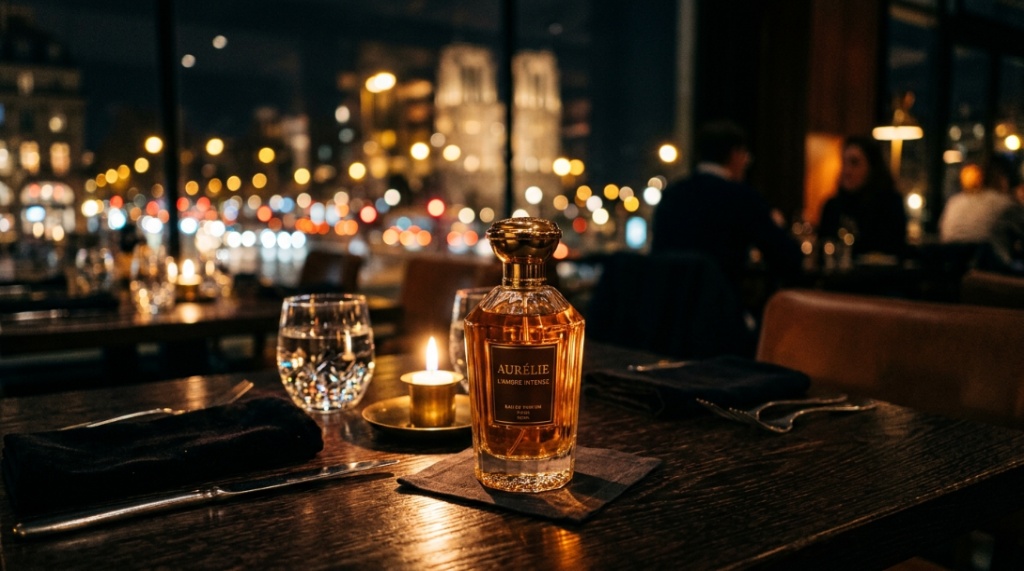
Date night fragrances should amplify your confidence with deeper, warmer, or more sensual notes like amber, rose, vanilla, or sandalwood. These scents linger longer and create a memorable impression.
The Science of Attraction and Scent
Our olfactory system is directly linked to the limbic brain, which governs emotion and memory. A well-chosen date perfume triggers emotional recall, meaning your scent becomes part of the memory of the evening. Opt for compositions with a moderate sillage (the trail a perfume leaves) rather than a nuclear projection. You want someone to lean in, not cough.
Fragrance Families That Work for Romance
- Oriental: Notes of benzoin, labdanum, and spices create warmth.
- Floriental: A blend of white flowers (jasmine, tuberose) with resinous bases.
- Woody: Cedar or cashmeran offers grounded sensuality.
Which Perfume Notes Work Best for Everyday Wear?
For daily use, look for versatile, crowd-pleasing notes such as bergamot, lavender, musk, and sheer fruits like apple or pear. These ingredients are generally well-received and work in multiple settings.
Building a Signature Everyday Scent Wardrobe
| Scent Profile | Ideal For | Top Notes Example |
|---|---|---|
| Fresh & Clean | Errands, casual lunches | Grapefruit, lily of the valley |
| Soft & Powdery | Reading, coffee meetups | Iris, violet, cotton musk |
| Green & Herbal | Outdoor activities, weekends | Basil, vetiver, green mandarin |
Testing Before Committing
Never buy a full bottle based on a single paper strip. Spray a fragrance on your skin and live with it for a full day. Perfumes evolve through three stages: top notes (first 15 minutes), heart notes (next 2 to 4 hours), and base notes (4+ hours). If you only love the initial blast, keep looking.
Why Does Perfume Smell Different on Everyone?
Your unique skin chemistry, including pH level, diet, and hormone cycles, interacts with fragrance molecules to create a personalized scent. What smells incredible on your friend may turn sour on your skin.
How Body Chemistry Alters Fragrance
Dry skin tends to make scents fade faster, while oily skin holds notes longer and can amplify sweet or woody undertones. Your diet also plays a role. Spicy foods can warm up a perfume, while a high-acid diet might make citrus notes sharper. The best way to account for this is to test perfumes on clean, unscented skin without wearing lotion that conflicts.
Simple Skin Prep for Better Longevity
- Moisturize with an unscented body lotion before applying fragrance. Hydrated skin holds scent molecules better.
- Apply to warm pulse points: inside elbows, behind knees, and the base of your throat.
- Avoid rubbing your wrists together. This crushes the delicate top notes and changes the scent profile.
When Should You Apply Fragrance for Maximum Effect?
Apply perfume immediately after a shower when your pores are open and your skin is still damp. This locks in moisture and allows the alcohol to evaporate without stripping your skin.
Timing Your Spray for All-Day Wear
For an office day, apply fifteen minutes before leaving the house. This gives the alcohol time to settle and prevents an overpowering first impression. For a date or evening event, apply thirty minutes before arrival so the scent has time to develop its heart notes just as you walk in.
Layering Techniques for Endurance
Use a matching body lotion or oil as a base layer, then spray the perfume on top. This creates a stronger molecular bond and can extend wear time by two to three hours. If you do not have a matching product, choose an unscented body oil instead.
Can One Perfume Work for Both Work and Romance?
Yes, but you need to choose a versatile fragrance that balances professionalism with warmth. Look for compositions that open fresh but dry down to something softly sensual.
How to Find a Dual-Purpose Fragrance
The key is modulation. A perfume with top notes of fresh bergamot or pink pepper creates an office-appropriate first impression. As it settles, it should reveal a heart of soft floral or delicate spice, with a base of musk or sandalwood. This prevents it from being too loud in the morning while offering depth for evening plans.
Examples of Versatile Notes
- Bergamot to musk.
- Pear to ambrette.
- Tea to soft leather.
How Many Perfumes Should a Woman Own?
Aim for a curated collection of three to five fragrances that cover different scenarios: one for work, one for dates, one for casual days, and one for special events. This is more sustainable than owning twenty bottles you rarely touch.
Building Your Fragrance Wardrobe Step by Step
Start with one versatile everyday scent. Then add a date-night fragrance that contrasts in mood. Finally, add a bold statement fragrance for holidays, weddings, or parties. Once you master these three, consider a seasonal scent for summer or winter. A smaller collection ensures each bottle gets used and you develop a deeper connection with each fragrance.
Signs You Need to Add or Replace a Scent
- You constantly reach for the same bottle and feel bored.
- A scent no longer matches your lifestyle (e.g., you switched careers).
- Your signature fragrance has been reformulated or discontinued.
How to Test Fragrances Without Wasting Money
Visit a store during off-peak hours when your nose is fresh. Test no more than three scents in one session using coffee beans to reset your olfactory palate between sprays.
The Professional Testing Method
- Request a paper strip first. If you like the top notes, spray on your wrist.
- Walk away for ten minutes. Smell again to evaluate the heart.
- If you still like it, ask for a sample vial to test at home for three days.
Where to Find Affordable Samples
Many online retailers offer discovery sets that include five to ten miniature vials. This is an excellent way to explore multiple houses without committing to full bottles. For a curated list of budget-friendly options, check out this resource on the best perfumes for women that balance quality with value.
What Is the Single Biggest Perfume Mistake?
Buying a fragrance based solely on a celebrity endorsement or a trendy name without testing it on your own skin. Marketing cannot override chemistry.
Why Trends Can Be Dangerous for Your Signature Scent
Trends change with seasons, but your skin chemistry remains relatively stable. A perfume that everyone raves about might turn metallic or powdery on you. Always prioritize how a scent makes you feel and how it performs on your skin over its popularity or bottle design.
How to Avoid Regret Purchases
Never buy a full bottle from a duty-free shop during a layover. Exhaustion and dry cabin air distort your perception. Instead, take a photo of the bottle and research it online. If you still want it a week later, it is a considered choice, not an impulse. Fragrances are deeply personal, but they also influence how the people around us perceive our presence. While finding your own signature scent is all about personal confidence, it is just as fascinating to see what works across the aisle—check out our guide on the best perfumes for men according to women to discover the masculine notes that turn heads.
Frequently Asked Questions
Does perfume expire?
Yes, most perfumes last three to five years if stored away from heat, light, and humidity. Citrus-heavy scents fade faster than woody or oriental compositions.
Can I wear the same perfume year-round?
You can, but your fragrance may feel out of sync with the season. Lighter scents shine in summer heat, while richer perfumes bloom in cold weather. Adjusting your choice seasonally enhances your experience.
What does the term “concentration” mean?
Concentration refers to the percentage of perfume oils in the bottle. Eau de Parfum has more oil (15–20%) than Eau de Toilette (5–15%). Higher concentration typically means longer longevity and stronger projection.
How do I remove perfume if I applied too much?
Rubbing alcohol or hand sanitizer on the area will break down the oils. Follow with unscented soap and water. Avoid rubbing, which spreads the scent further.
Is it rude to wear strong perfume to work?
Yes, generally. Many workplaces have fragrance-free policies to accommodate colleagues with allergies or sensitivities. When in doubt, wear less than you think you need.
Should I store perfume in the bathroom?
No. Humidity and temperature fluctuations degrade fragrance molecules. Store bottles in a cool, dark drawer away from windows and radiators.
Can I mix two perfumes together?
Yes, layering is a growing trend. Start with a base of a clean musk or vanilla, then spray a contrasting note like citrus or floral on top. Test on skin first.
Conclusion
Choosing a women’s perfume for work, dates, and everyday use does not require a degree in chemistry or an unlimited budget. It requires understanding your own skin, your environment, and the mood you want to create. Start with one versatile scent for daily wear, add a deeper option for evenings, and always test before you invest. Let your fragrance be an extension of your personality, not a distraction. Visit a store with a clear plan, sample wisely, and trust your own nose over marketing hype. The right perfume will make you feel like the best version of yourself, every single day.
Focus Keyphrase:
Meta Description:
