
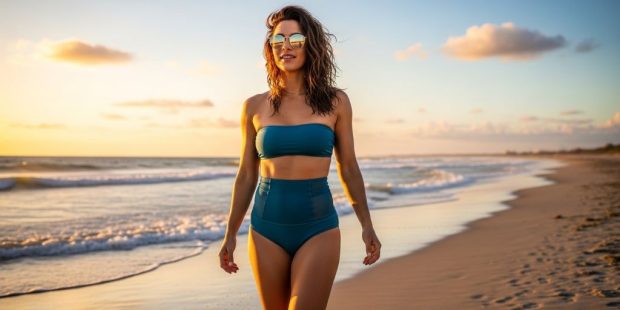
Finding the right swimwear can feel overwhelming. There are hundreds of styles, cuts, and fabrics on the market. However, if you want to feel confident at the beach or poolside, knowing what to look for makes everything easier. This guide walks you through everything you need to know about choosing the best tummy control bikini in 2026.
Why Tummy Control Bikinis Are Worth It
Not every swimsuit is made the same way. A well-designed tummy control bikini does more than just look good. It supports your midsection, smooths your silhouette, and lets you move freely in the water. Additionally, modern designs have come a long way. You no longer have to choose between style and function.
Women of all body types can benefit from a little extra support. Therefore, tummy control swimwear has become one of the fastest-growing categories in fashion. Brands now invest heavily in fabric technology and thoughtful construction to give women real results.
Understanding the Key Features to Look For
Before you buy, you need to understand what makes a bikini actually work for tummy control. These are the most important features to consider.
Fabric Composition and Compression
The fabric is everything. Look for materials that contain a high percentage of elastane or spandex — ideally between 15% and 20%. These fibers provide the stretch and compression that hold everything in place. Nylon blends are also excellent because they resist sagging when wet.
Avoid thin, low-stretch fabrics. They may look attractive on the hanger, but they offer little support once you are actually in the water. Additionally, chlorine-resistant fabrics are a smart investment if you spend time in pools.
The Role of Lining and Boning
A double-layered front panel is one of the most effective design features for tummy control. The inner layer acts like a light girdle, smoothing the stomach area without restricting your breathing. Some bikini bottoms also feature side boning or structured panels that help shape the waist.
However, boning is not for everyone. If you find stiff structures uncomfortable, focus on double-lining and ruching instead. Ruching is the gathered fabric detail often found at the center front of bikini bottoms. It draws the eye and disguises the midsection beautifully.
Waistband Height and Coverage
This is one of the most critical decisions you will make. A higher waistband covers and compresses the lower belly, which is the area many women feel most self-conscious about. Slimming swimwear with a high waist bikini cut is one of the most popular silhouettes of 2026 for good reason — it genuinely flatters a wide range of body shapes.
A waistband that sits at or above the natural waist also creates the illusion of longer legs. Therefore, if you want a leaner look overall, go higher rather than lower.
Choosing the Right Style for Your Body Shape
Different silhouettes work better for different bodies. Here is a simple breakdown to help you decide.
For a Round Midsection
If your main concern is the belly area, look for bikini bottoms with a wide, structured front panel. Pair them with a top that has underwire or molded cups to draw attention upward. Additionally, patterns and colors matter. Darker shades and vertical prints on the bottom half create a slimming effect.
For a Straight or Athletic Frame
Women with a straighter frame may want to create the appearance of curves. In this case, choose a style with ruffled tops or padded cups. For the bottom, a high-cut leg with a medium-rise waistband works well. It adds shape without adding bulk.
For a Pear-Shaped Body
If your hips are wider than your bust, balance is the goal. Choose a bold, patterned or brightly colored top to draw the eye upward. Keep the bikini bottom simpler and darker. A high waist bikini style still works well here because it defines the waist and smooths the hips simultaneously.
For a Fuller Bust
Support is the priority. Look for tops with wide straps, underwire, and adjustable ties. A halter neck is a strong choice because it distributes weight evenly. For the bottom, slimming swimwear with a firm, wide waistband will balance your proportions nicely.
How to Get the Right Fit
Even the best bikini fails if the fit is off. Here are some straightforward tips to get it right.
- Measure yourself before shopping. Use a soft tape measure around your bust, natural waist, and hips.
- Check the size chart for each brand individually. Sizing varies widely between manufacturers.
- When in doubt, size up. A bikini that is too tight will roll, pinch, and create bulges — the opposite of what you want.
- Try the bikini on and move around. Sit down, bend over, and stretch. If anything shifts significantly, it is not the right fit.
- Look at the leg openings. They should lie flat against your skin without cutting in or gaping.
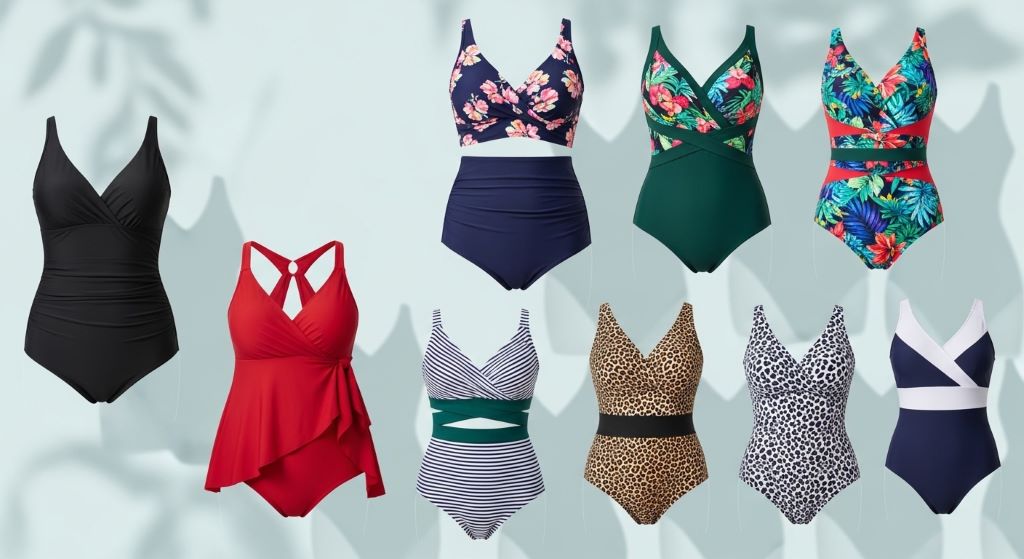
Top Fabric Technologies to Know in 2026
Swimwear technology has advanced rapidly. Therefore, it is worth knowing what is available before you spend your money.
Recycled nylon blends are now widely used. They are soft, durable, and environmentally friendly. Many brands use these fabrics without sacrificing compression or shape retention.
Four-way stretch fabrics allow movement in all directions. This is especially important for active swimming rather than just lounging. Additionally, UV-protective fabrics are a smart choice for anyone who spends long hours outdoors.
Bonded seams are another innovation worth looking for. Traditional stitched seams can create lines and ridges that are visible under tight swimwear. Bonded or heat-sealed seams eliminate this problem entirely.
What to Avoid When Shopping
Knowing what not to buy is just as important as knowing what to look for.
Avoid bikinis with very thin side ties on the bottom if tummy control is your goal. Thin ties do not anchor the waistband properly. As a result, the front panel can shift or fold down during movement.
Similarly, avoid styles where the front panel is purely decorative. Some bikinis have a ruched front but no actual lining or compression layer beneath. These look similar to supportive styles but perform very differently.
Finally, be cautious about buying swimwear without trying it or reading detailed reviews. Fit and compression are very personal. What works perfectly for one woman may not work at all for another.
Caring for Your Tummy Control Bikini
A quality bikini is an investment. Treat it well and it will last much longer.
Always rinse your swimsuit in cool, fresh water after each use. This removes salt, chlorine, and sunscreen residue that break down elastic fibers over time. Hand wash with a gentle detergent rather than using a machine. Additionally, never wring or twist the fabric. Instead, press it gently between two towels to remove excess water.
Dry your bikini flat in the shade. Direct sunlight and heat degrade elastic quickly. Therefore, avoid draping it over a hot railing or leaving it in a beach bag while wet.
Conclusion
Picking the best tummy control bikini comes down to four things: the right fabric, the right construction, the right style for your body, and the right fit. Start with a compression-rich material like nylon-elastane or recycled spandex blends. Look for double-lining, ruching, or a structured front panel. Choose a cut that balances and flatters your specific shape. Additionally, always prioritize fit over size label.
High waist bikini styles remain among the most flattering and functional options available in 2026. Paired with slimming swimwear technology, they offer real support and genuine confidence. When you feel good in your swimsuit, everything else at the beach becomes more enjoyable. Take your time, do your research, and invest in a style that truly works for you.
Frequently Asked Questions
What is the best fabric for a tummy control bikini?
Nylon-elastane or polyester-spandex blends are the best choices. They offer firm compression, hold their shape when wet, and resist fading from chlorine and sun exposure.
Do high-waist bikinis actually make your stomach look flatter?
Yes, they do. A high-waist bikini covers the lower belly and compresses the midsection. This smooths the silhouette and creates the appearance of a flatter stomach.
How do I know if a bikini bottom has real tummy control?
Check for a double-layered front panel or an inner compression lining. Simply having ruching on the front does not guarantee actual support unless there is a structured layer beneath.
Can plus-size women wear tummy control bikinis?
Absolutely. Many brands offer tummy control bikinis in extended sizes with wider waistbands, stronger compression panels, and more coverage options. Always check the size chart and choose styles specifically designed for fuller figures.
How often should I replace my tummy control bikini?
With proper care, a quality bikini can last one to three seasons. However, once the elastic feels loose, the fabric becomes see-through when stretched, or the lining loses its firmness, it is time to replace it.
Related Topics:
Tips for Making Secure Online Payments: Protect Your Purchases Every Time
5 Christmas shopping tips and ideas for family
