
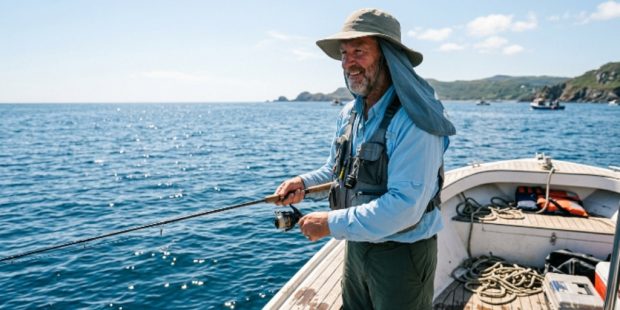
Spending a long day on the water is one of life’s great pleasures. However, the sun can be brutal. Hours of direct exposure can lead to sunburn, eye strain, and even long-term skin damage. A quality wide brim fishing hat is one of the simplest ways to protect yourself. The right hat keeps you comfortable, safe, and focused on what matters most — catching fish.
This guide covers everything you need to know before buying. From brim width to fabric choice, you will find clear advice that helps you make a smart decision.
Why Sun Protection on the Water Is So Important
Water reflects sunlight. This means you are getting hit from above and below at the same time. Even on a cloudy day, UV rays bounce off the surface and reach your skin. Over time, this kind of exposure adds up.
Anglers who fish regularly face a higher risk of skin damage than most people realize. Therefore, treating your hat as a piece of safety gear — not just a fashion accessory — makes a real difference. The wider the brim, the more skin it shields. It really is that simple.
Understanding Brim Width and What It Covers
Not all wide brim hats offer the same level of coverage. A brim that measures three inches gives decent shade for your face. However, a brim of four inches or more starts to protect your ears, the back of your neck, and the tops of your shoulders.
When shopping, pay attention to the brim measurement. Manufacturers sometimes label hats as “wide brim” even when the brim is only two and a half inches. Always check the exact measurement before buying. Additionally, consider whether the brim is stiff or flexible. A stiff brim holds its shape in the wind. A flexible brim packs flat in a bag, which is useful for travel.
The Role of a Neck Flap in Full Sun Coverage
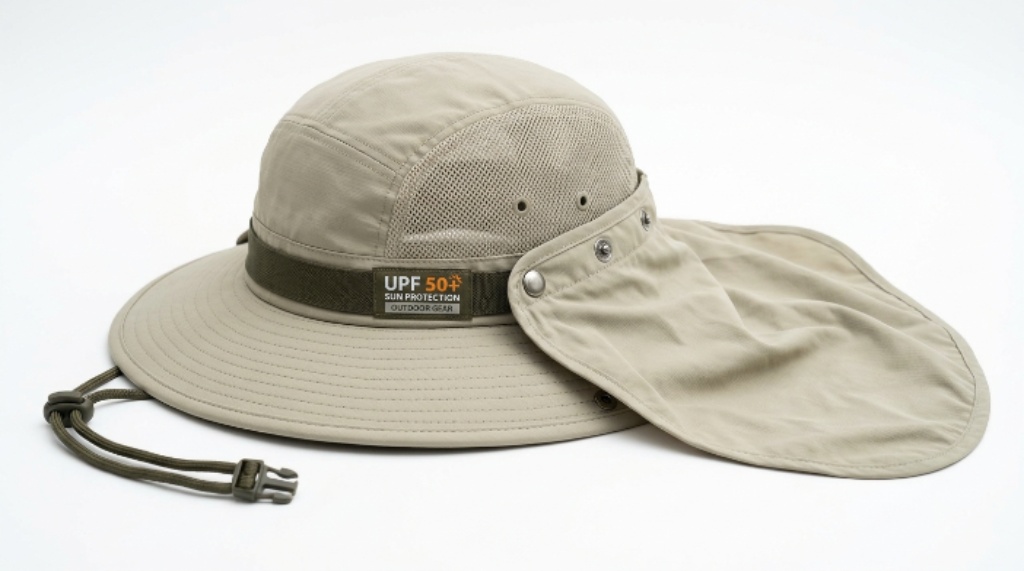
A wide brim alone does a great job at shading your face. However, it cannot protect the back of your neck. This is where a neck flap fishing hat becomes essential. The flap hangs down from the back of the hat and covers the neck completely. Many designs also extend to cover the ears and the lower sides of the face.
Full coverage fishing hats with built-in neck flaps are especially popular among offshore and surf anglers. These are the people who spend the most time in open, exposed environments with no natural shade. The neck flap adds a layer of protection that a standard hat simply cannot provide.
When choosing a hat with a neck flap, look for one that detaches. A removable flap gives you flexibility. You can use it on bright, sunny days and remove it when cloud cover gives you a break. Additionally, some flaps include a UPF rating printed on the label, which tells you exactly how much UV radiation the fabric blocks.
What UPF Rating Should You Look For
UPF stands for Ultraviolet Protection Factor. It measures how much UV radiation a fabric blocks. A UPF rating of 30 means the fabric allows only one-thirtieth of the UV radiation to pass through. A rating of 50 or higher is considered excellent.
For fishing hats, aim for a UPF rating of at least 30. Hats rated UPF 50+ provide the strongest protection. Therefore, if you plan to fish in tropical locations or spend full days in direct sunlight, UPF 50+ should be your minimum standard.
Not all hats carry a UPF label, but that does not mean they offer no protection. Tightly woven fabrics, dark colors, and synthetic materials generally block more UV rays than loosely woven or light-colored natural fabrics.
Best Fabrics for a Fishing Hat
The fabric your hat is made from affects comfort, protection, and durability. Here are the most common options:
- Nylon: Lightweight, quick-drying, and excellent at blocking UV rays. A top choice for warm-weather fishing.
- Polyester: Durable and moisture-wicking. Holds its shape well even after repeated use and washing.
- Cotton: Breathable and comfortable. However, cotton absorbs moisture and dries slowly, which can feel uncomfortable in humid conditions.
- Neoprene blends: Found in performance hats. Offer stretch and a snug fit but may feel warm in very hot weather.
- Straw or natural fibers: Lightweight and stylish. However, they offer minimal UPF protection unless treated or lined.
For serious anglers, nylon and polyester blends offer the best balance of protection, comfort, and durability. They dry fast, resist odor, and hold up in saltwater environments.
Fit, Adjustability, and Comfort Features
A hat that does not fit properly will not stay on your head when the wind picks up on open water. Therefore, fit is just as important as style or sun protection.
Look for hats with an adjustable chin strap. A chin cord or strap keeps the hat in place during gusty conditions. Some hats use a simple drawstring, while others have a clip or toggle system. Either works well as long as it holds securely.
The inside of the hat also matters. A sweatband made from moisture-wicking material helps keep you cool. Some hats feature a mesh panel or ventilation grommets to allow airflow. This is a small detail that makes a big difference on a hot afternoon.
Additionally, consider the hat’s weight. Heavy hats cause fatigue over a long day. Look for something that feels light on your head, especially if you plan to wear it for six or more hours at a time.
Color Choices and Their Practical Impact
Color affects more than just appearance. Lighter colors reflect sunlight and help keep your head cooler. Darker colors absorb heat but may offer slightly better UV protection for the fabric itself.
Most fishing hat manufacturers offer neutral tones like khaki, sand, olive, and light gray. These colors also blend in well with natural surroundings, which is a benefit for freshwater anglers who want to avoid startling fish.
However, if you are offshore fishing or on open water where camouflage is not a concern, go with whatever color keeps you most comfortable in the heat.
Features That Add Extra Value
Beyond the basics, several additional features can make a fishing hat more useful on the water:
- Floating design: Some hats are made to float if they fall into the water. This saves you from losing a favorite hat overboard.
- Packability: Hats that roll or fold flat are easy to pack in a tackle bag or backpack.
- Waterproofing: A DWR (Durable Water Repellent) coating helps the hat shed light rain and spray.
- Polarized brim lining: A few premium hats include a dark underside on the brim to reduce glare reflected off the water.
- Odor resistance: Antimicrobial treatments prevent the buildup of sweat odor after repeated use.
These features are not all necessary, but knowing what is available helps you narrow down the right hat for your style of fishing.
How to Match Your Hat to Your Fishing Style
Different types of fishing call for different hats. A fly fisherman wading in a stream has different needs than an offshore angler on a boat.
For freshwater fishing in wooded or shaded areas, a three-inch brim and lightweight fabric are usually enough. For surf fishing, pier fishing, or offshore trips, full coverage fishing hats with neck flaps and high UPF ratings are the smarter choice. The exposure in these environments is simply too intense for a basic hat to handle adequately.
Additionally, kayak anglers benefit from low-profile designs that do not catch the wind. A wide brim hat with a chin strap and a packable design works well in this case.
Conclusion
Choosing the right wide brim fishing hat is about more than style. It is about protecting your skin, staying comfortable, and being able to focus on fishing without squinting or burning. Start by identifying how much sun exposure you typically face. Then match your hat to that level of risk.
Look for a brim of at least three to four inches. Prioritize fabrics with a UPF rating of 30 or higher. A neck flap fishing hat is a smart upgrade for anyone who fishes in open, exposed environments. Full coverage fishing hats give you the most complete protection available, covering your face, ears, and neck in a single piece of gear.
Additionally, pay attention to fit, weight, and ventilation. A comfortable hat is a hat you will actually wear. The best sun protection in the world does not help if the hat stays in your bag. Invest in quality, and your skin will thank you for years to come.
Frequently Asked Questions
What brim width is best for maximum sun coverage while fishing?
A brim of four inches or more offers the best coverage. It shades your face, ears, and parts of your neck. Pair it with a neck flap for complete protection in open and exposed environments.
Are neck flap fishing hats comfortable to wear all day?
Yes, when made from lightweight and breathable fabrics like nylon or polyester. Many anglers wear them for full days without discomfort. Look for flaps that are thin and allow some airflow to avoid overheating.
What does UPF 50+ mean on a fishing hat?
UPF 50+ means the fabric blocks more than 98 percent of UV radiation. It is the highest rating available and is recommended for anyone fishing in intense sunlight, tropical climates, or reflective water environments.
Can I wash my wide brim fishing hat without damaging it?
Most modern fishing hats can be hand-washed with mild soap and cold water. Some are machine washable on a gentle cycle. Always check the care label. Avoid using hot water or a dryer, as heat can warp the brim or damage UPF coatings.
Is a straw fishing hat a good choice for sun protection?
Straw hats look stylish, but most untreated straw offers very limited UV protection. If you prefer the look, choose a straw hat with a UPF-rated lining or treat it with a UV-protective spray. For reliable sun protection, synthetic or treated fabric hats are a better option.
Related Topics:
What Is a Good Gift for a Woman? A Comprehensive Guide
Tips for Making Secure Online Payments: Protect Your Purchases Every Time
