
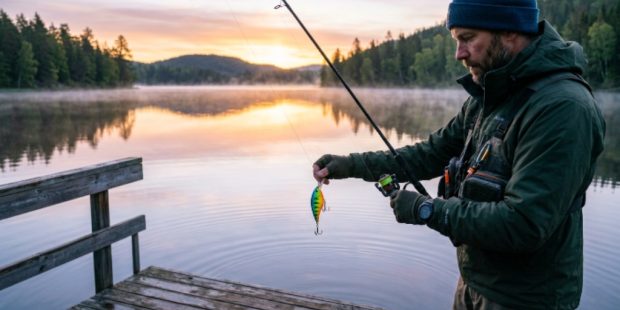
Every angler has stood in a tackle shop, staring at hundreds of lures, and wondered which one will actually catch fish. The shelves are packed with colorful options, each one promising incredible results. However, not every lure lives up to its packaging. Knowing how to separate the truly effective lures from the gimmicks is a skill that can completely transform your time on the water.
This guide breaks down exactly what to look for when choosing a fishing lure. Whether you are a beginner or a seasoned angler, these tips will help you make smarter decisions and come home with more fish.
Why Lure Selection Makes Such a Big Difference
Fishing success starts long before you cast your line. The lure you choose determines how fish respond to your presentation. A poorly chosen lure in the wrong conditions can mean hours of silence. On the other hand, the right lure in the right spot can trigger strikes almost immediately.
Fish are not random. They respond to specific movements, colors, sizes, and vibrations. Therefore, understanding what drives fish behavior helps you match your lure to the conditions you face. This is the core idea behind every set of pro fishing tips you will ever read.
Start With the Water Conditions
Before you even open your tackle box, study the water around you. Clear water calls for natural, subtle colors like silver, white, or translucent shades. Murky or stained water responds better to bright colors like chartreuse, orange, or bright yellow. Fish rely on their lateral line to detect vibrations when visibility is low, so louder and larger lures work well in those conditions.
Additionally, water temperature plays a major role. Cold water slows fish metabolism, so they prefer slow-moving lures they do not have to chase. Warm water speeds fish up, making fast-moving lures like spinners and crankbaits very effective.
Always match your lure choice to what the water is telling you. Ignoring these signals is one of the most common mistakes anglers make.
Understanding the Main Lure Types
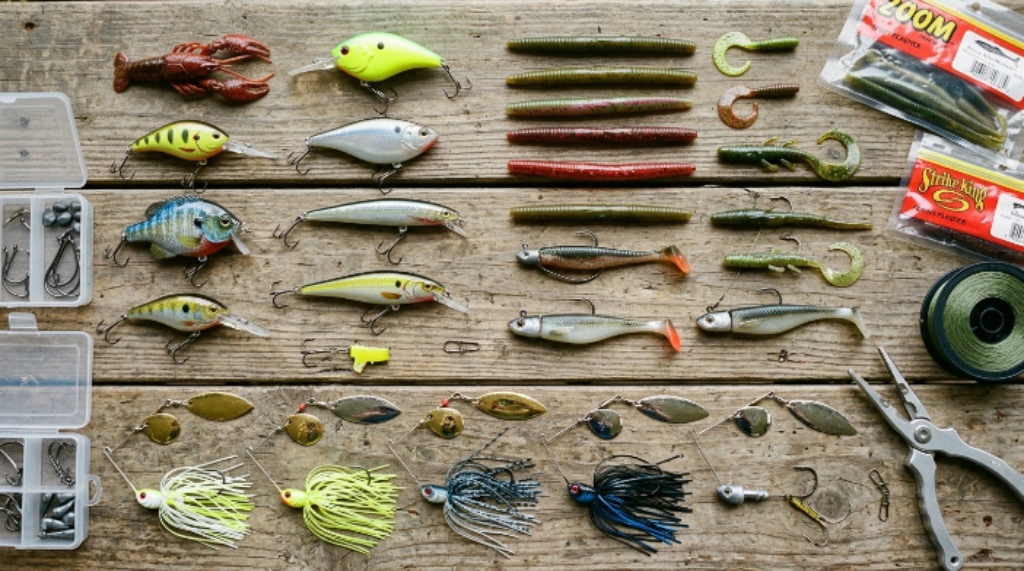
Not all lures work the same way. Each type is designed for a specific purpose. Here is a simple breakdown of the most popular categories:
- Crankbaits dive to a specific depth and mimic injured baitfish with a side-to-side wobble. They work well in open water and around structure.
- Soft plastic lures are incredibly versatile. They can imitate worms, crawfish, minnows, and more. They are among the best selling lures across most freshwater fishing categories.
- Spinnerbaits use rotating blades to create flash and vibration. They are excellent in low-visibility conditions and around heavy cover.
- Topwater lures create surface disturbance and trigger explosive strikes. They work best during low-light periods like early morning and evening.
- Jigs are simple but deadly. They sink to the bottom and are worked with an up-and-down motion. They are a staple in bass and walleye fishing.
Knowing how each type works helps you pick the right tool for the situation rather than relying on guesswork.
How to Read Fishing Tackle Reviews the Right Way
Online reviews are a powerful resource. However, not all reviews are equally useful. Some are written by brand promoters. Others come from anglers fishing in completely different conditions than yours. Therefore, you need to read fishing tackle reviews with a critical eye.
Look for reviews that mention specific details. A useful review will name the water type, the target species, the season, and the retrieve method the angler used. Vague praise like “this lure is amazing” tells you very little. Specific feedback like “caught three largemouth bass on a slow retrieve in shallow weeds during early fall” is genuinely helpful.
Additionally, look for patterns across multiple reviews. If dozens of anglers report success with a lure in similar conditions to yours, that is a strong signal the lure is worth trying. One glowing review from a single angler is not enough evidence on its own.
Pay attention to negative reviews too. They often reveal important limitations, such as hooks that bend easily, paint that chips quickly, or action that only works in very specific conditions.
The Role of Proven Brands and Local Knowledge
Established fishing brands have a track record for a reason. Companies that have been producing lures for decades have refined their designs based on real-world feedback from millions of anglers. However, brand reputation alone should not be your only guide.
Local knowledge is just as valuable. Talk to anglers at your local bait shop. Ask what has been working on the specific lake or river you plan to fish. Local anglers know the forage fish in that water, the seasonal patterns, and the spots where fish concentrate. This kind of knowledge cannot be found in any catalog.
Combining trusted brand reputation with local insight gives you a significant advantage before you ever make your first cast.
Key Features That Separate Good Lures From Great Ones
When you hold a lure, certain qualities immediately stand out. Here is what to look for:
- Hook quality matters enormously. Cheap hooks bend, dull quickly, and cost you fish. Look for sharp, corrosion-resistant hooks from reputable manufacturers.
- Action in the water is everything. A lure that moves naturally and consistently at various retrieve speeds will outperform one that only works in a narrow speed range.
- Durability affects long-term value. A lure that loses its paint after two fish is not worth the money, regardless of how well it catches on the first outing.
- Weight and balance influence casting distance and accuracy. A well-balanced lure casts smoothly and lands where you intend it to.
- Realistic detail can make a difference in clear water where fish get a close look before striking.
These features consistently separate the lures that dominate fishing tackle reviews from those that disappear from shelves within a season.
Matching the Lure to the Target Species
Different fish have different preferences. This seems obvious, but many anglers use a one-size-fits-all approach and wonder why results are inconsistent.
Bass are aggressive and respond well to reaction baits like crankbaits, spinnerbaits, and topwater lures. They also love soft plastics worked slowly along the bottom. Trout in clear streams prefer small spinners, spoons, and natural-colored soft baits. Walleye tend to favor jigs and crankbaits fished near the bottom in deeper water. Pike and muskie are built for big prey, so large swimbaits and oversized spinnerbaits match their hunting instincts.
Therefore, before you buy any lure, ask yourself one simple question: what fish am I targeting, and what do they naturally eat in this body of water? The answer will point you directly to the right lure category.
Practical Pro Fishing Tips for Testing New Lures
Buying a lure is only the first step. Testing it properly is where most anglers fall short. Here are some practical pro fishing tips for evaluating a new lure effectively:
- Always test a new lure in water you can see, like a clear lake or a swimming pool, before using it in a real fishing situation. Watch how it moves at different speeds.
- Give a new lure enough time before giving up. Fish it for at least an hour in suitable conditions before deciding it does not work.
- Vary your retrieve speed, depth, and rod action. Many lures perform poorly at one speed but excellently at another.
- Keep a simple log of your results. Note the lure, conditions, retrieve style, and outcome. Over time, this builds a personal database of what works where and when.
- Pay attention to follows and short strikes. A fish that chases the lure but does not commit is telling you something. Try slowing down, changing color, or switching to a smaller profile.
These habits separate casual anglers from those who consistently catch fish.
Conclusion
Identifying top-rated fishing lures that genuinely work comes down to knowledge, observation, and careful selection. Start by reading the water and matching your lure to the conditions. Understand the strengths of each lure type, and use fishing tackle reviews as a research tool rather than a shortcut. Pay attention to hook quality, action, and durability when evaluating any new lure. Match your choice to the target species and test it patiently with varied techniques.
The best selling lures earn their reputation through consistent real-world performance. Combined with local knowledge and the right pro fishing tips, a well-chosen lure will put more fish in your hands and more enjoyment into every trip. Spend a little time learning before you buy, and the water will reward you for it.
Frequently Asked Questions
How do I know if a fishing lure is good quality before buying it?
Examine the hooks for sharpness and corrosion resistance. Check that the body finish is smooth and durable. Read detailed fishing tackle reviews from anglers who fished in conditions similar to yours. A good lure will have consistent positive feedback about its action, durability, and hook quality.
Are expensive fishing lures worth the money?
Not always. Price does not guarantee performance. However, very cheap lures often come with poor hooks and weak finishes that fail quickly. Mid-range lures from established brands usually offer the best balance of quality and value. Focus on features rather than price tags.
How many lures should a beginner carry?
Start small. A beginner does well with one or two crankbaits, a few soft plastics, a spinnerbait, and a topwater lure. Mastering a small selection builds confidence and skill faster than owning hundreds of lures you do not understand.
Do fish really care about lure color?
Yes, but water clarity matters more than the color itself. In clear water, natural and subtle colors work best. In murky water, bright and high-contrast colors are easier for fish to detect. Match your color choice to the conditions rather than picking your personal favorite.
How often should I replace my fishing lures?
Replace lures when hooks become dull or corroded, when the body cracks or splits, or when the action changes noticeably. Inspect your lures after each outing and retire any that no longer perform as designed. Sharp hooks and consistent action are the two most important factors in lure performance.
Related Topics:
Best Rig for Suspended Bass: Carolina Rig or Texas Rig?
Sunrise Cycling Spots New York City: Experience the Magic of Dawn on Two Wheels
