

If you wake up with a damp pillow, flip it to the “cool side” more than once a night, or struggle to fall asleep because your head feels like it’s radiating heat, the problem usually isn’t you—it’s trapped body heat. A cooling pillow for hot sleepers addresses that problem directly by moving heat away from your head and neck instead of letting it build up. The Qutool cooling pillow is one of the more widely discussed options in that category, and this article breaks down seven practical reasons it may deserve a spot on your bed, plus the limitations you should know before buying.
Key Takeaways
- A cooling pillow helps most when night sweats are caused by heat trapped in your bedding, not by a medical condition or a room that’s genuinely too warm.
- The Qutool pillow’s main selling points are its moisture-wicking fabric, breathable fill, and double-sided design—not an active refrigeration system.
- No pillow stays cool all night by itself; cooling performance depends heavily on your room temperature, sheets, and how much you sweat.
- Hot sleepers who also need strong neck support should compare loft and firmness before focusing only on cooling features.
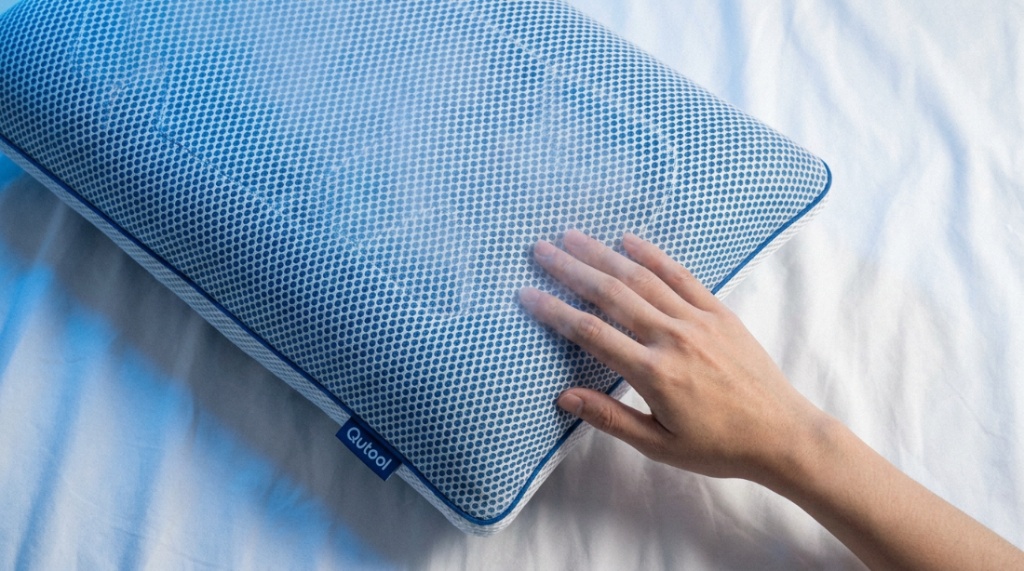
Why Hot Sleepers Wake Up Soaked in the First Place
Your head and neck release a meaningful amount of body heat during sleep, and a standard pillow can act like insulation rather than a vent. Memory foam, in particular, tends to absorb and hold heat, which is why so many people who love the contouring feel of foam still end up flipping their pillow at 3 a.m.
- Heat buildup: your pillow traps warmth and has nowhere to send it.
- Moisture buildup: sweat can’t evaporate, so the surface stays damp.
- Airflow restriction: the pillow blocks air from moving around your head and neck.
A cooling pillow can realistically help with all three to some degree. It cannot fix a bedroom that’s 80°F, and it won’t address night sweats caused by hormones, medication, or illness—those are worth discussing with a doctor.
1. The Fabric Is Built to Wick Moisture, Not Just Feel Cold
The first reason the Qutool pillow stands out for hot sleepers is its emphasis on moisture-wicking fabric rather than a gimmicky “instant cold” surface. That distinction matters, because a cool-to-the-touch cover often warms up within minutes and stops helping once your body heat catches up to it.
Moisture-wicking material works differently. It moves perspiration away from your skin so it can evaporate instead of pooling against your face and neck. For anyone who wakes up with a clammy pillow rather than a genuinely hot one, this is often the more useful feature. If you want the full product breakdown rather than just this overview, there’s a detailed write-up of this cooling pillow for hot sleepers that covers materials and construction in more depth.
2. Breathable Fill Reduces Heat Trapping
The fill inside a pillow determines how much heat it holds. Qutool uses a breathable, shredded-style fill rather than a solid block of dense memory foam, which allows more air to circulate through the pillow instead of trapping it against your head.
This is one of the most practical differences between cooling pillows and standard foam pillows. Dense foam is excellent for support but poor at releasing heat. Shredded or fiber-based fills trade a bit of that firm, contouring feel for noticeably better airflow—a trade-off most hot sleepers are happy to make.
3. A Double-Sided Design Lets You Adjust to the Season
Many cooling pillows are built with two distinct sides: one cooler, one softer or warmer. That matters more than it sounds, because your cooling needs change with the seasons, your bedding, and even whether you’re running a fan or air conditioning.
In summer, you can sleep on the cooling side. In winter, or if you simply find the cool side too cold against your skin, you can flip it. It’s a simple feature, but it extends how many months of the year the pillow stays comfortable for you rather than sitting in a closet half the year, if you want to customize your night comfort further, learn how to improve sleep with adjustable loft pillows.
4. It Targets the Head and Neck—Your Main Heat Release Points
Cooling your whole body with a pillow isn’t realistic. What a cooling pillow can do is address the specific area where heat most often ruins sleep: the head, neck, and upper shoulders.
Because those areas sit directly against the pillow all night, they’re the first place heat and moisture accumulate. By focusing cooling and airflow there, a pillow like the Qutool can meaningfully change how comfortable you feel, even if the rest of your body stays at the same temperature. If you’ve ever noticed that your face feels flushed and sticky but the rest of you is fine, this is exactly the problem a cooling pillow is designed to solve.
5. It Can Reduce the “Flip the Pillow” Cycle
One of the most underrated benefits of a genuinely breathable pillow is that it can cut down on the constant middle-of-the-night flipping. Every time you flip your pillow, you briefly wake up—even if you don’t fully remember it the next morning.
Those micro-awakenings fragment your sleep, and fragmented sleep tends to leave you groggier than a shorter but uninterrupted night would. A pillow that stays relatively cool and dry for longer stretches can reduce how often you need to move, which in turn supports deeper, less interrupted sleep. It won’t eliminate flipping entirely, but reducing the frequency is a realistic and worthwhile improvement.
6. Support and Cooling Aren’t Mutually Exclusive
A common assumption is that cooling pillows sacrifice support for airflow. That’s not necessarily true. The Qutool is adjustable in the sense that its shredded fill can be redistributed, letting side sleepers build up more height under the neck and back or stomach sleepers flatten it out.
Here’s what to check before assuming any cooling pillow will work for your sleeping position:
| Sleeping Position | Loft You Likely Need | What to Look For |
|---|---|---|
| Back sleeper | Medium | Even fill, gentle neck support |
| Side sleeper | Medium to high | Enough height to fill the gap between ear and shoulder |
| Stomach sleeper | Low | Thin profile so the neck doesn’t bend upward |
If the pillow is the wrong height for your position, no amount of cooling fabric will make up for waking up with a stiff neck. Cooling is a feature; support is a requirement.
7. It’s a Low-Risk First Step Before Bigger Changes
If you’ve been considering a new mattress, expensive cooling sheets, or even a bedroom air conditioner, a cooling pillow is usually the cheapest and easiest of those options to try first. You’re changing one item, not overhauling your whole sleep setup.
What the Qutool Pillow Won’t Do
Honest expectations matter here. A cooling pillow is a passive cooling product—it manages heat and moisture, but it doesn’t actively chill anything the way a mattress cooling system might. On a hot night in a warm room, it can still warm up over time, just more slowly than a standard foam pillow.
It’s also not a treatment for medical night sweats. If you’re soaking through sheets regularly, waking with chills, or experiencing night sweats alongside other symptoms, that’s a conversation for a healthcare professional, not a bedding upgrade.
Finally, performance depends on what’s around it. A cooling pillow placed under a heavy down comforter and flannel sheets will underperform. Cooling works best as a system: lighter bedding, a cooler room, and a breathable pillow together.
Frequently Asked Questions
Is the Qutool cooling pillow actually cold to the touch?
It may feel slightly cooler than a standard pillow initially because of its breathable fabric and fill, but it isn’t refrigerated. Its main job is to help heat escape and moisture evaporate rather than to stay cold indefinitely.
How long does a cooling pillow stay cool?
There’s no fixed answer, since it depends on your body temperature, room temperature, and bedding. Most cooling pillows feel cooler for the first part of the night and gradually warm up, though they should still manage moisture better than a standard foam pillow.
Can a cooling pillow stop night sweats completely?
No. It can make you more comfortable and reduce dampness from ordinary overheating, but it won’t stop night sweats caused by hormones, medication, illness, or a warm bedroom.
Do cooling pillows work for side sleepers?
Yes, as long as the loft is high enough to support the neck and fill the gap between your ear and shoulder. Cooling features and proper positioning matter equally for side sleepers.
Do I need special sheets to go with a cooling pillow?
Not strictly, but breathable sheets like cotton, linen, or bamboo help. Heavy or non-breathable bedding can cancel out much of a cooling pillow’s benefit.
How often should a cooling pillow be replaced?
Most pillows lose their shape and support over time, so replacing one every year or two is typical depending on the fill and how well it holds its loft.
Conclusion
The Qutool cooling pillow is worth considering if your main sleep problem is heat and moisture trapped against your head and neck. Its moisture-wicking fabric, breathable fill, double-sided design, and adjustable support address the causes of nightly overheating rather than just masking them. It won’t replace a cooler bedroom or lighter bedding, and it isn’t a fix for medical night sweats.
