

You’ve been there: holding your skateboard under one arm, coffee in the other, and trying to swipe your transit card without dropping anything. It’s a daily juggling act that drains your energy before you even reach the office or campus. A bag with a dedicated board strap isn’t just a luxury—it’s the missing piece that turns a chaotic commute into a smooth ride. Whether you push to work or hop on a train, the right bag keeps your hands free and your board secure. In this guide, we’ll break down what actually matters when choosing a commuter bag, how to match one to your riding style, and which features deliver lasting value without weighing you down.
Key Takeaways
- Board-carrying systems vary widely; the best choice depends on whether you ride a skateboard, longboard, or cruiser, as deck width and wheelbase affect strap compatibility.
- Comfort for daily commuting requires more than padding—you need proper weight distribution, breathable back panels, and chest or waist stabilizers for heavier loads.
- Dedicated board straps (vertical or horizontal) are more secure and protective than simple bungee cords or mesh sleeves, especially on crowded transit.
- Durability in wet or humid climates demands water-resistant materials, sealed zippers, and reinforced stitching at stress points like the strap anchors.
- Organizational features matter as much as the board attachment; dedicated laptop sleeves and quick-access pockets prevent rummaging during time-sensitive transfers.
How Board Straps Actually Work on Commuter Bags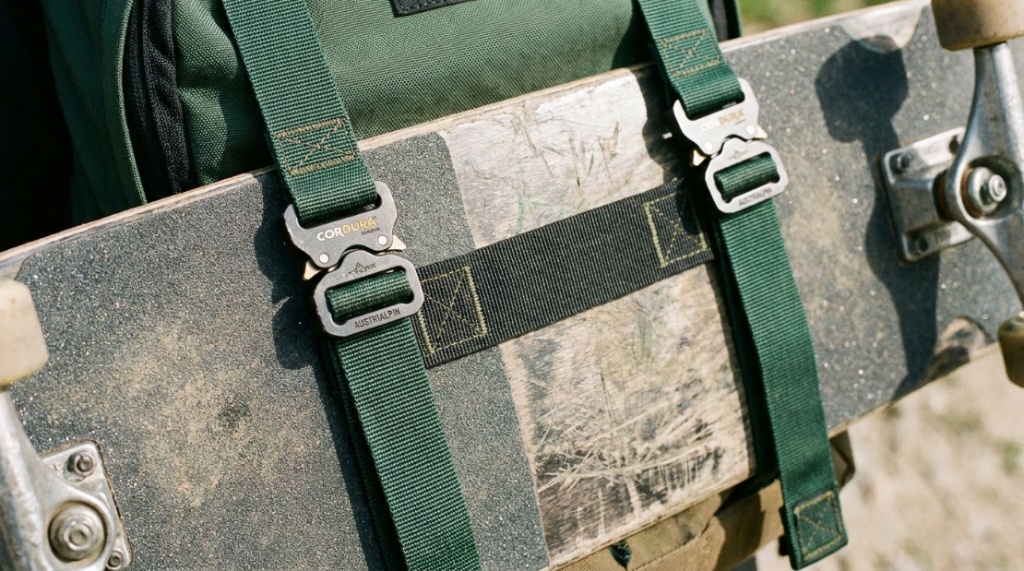
Before comparing specific models, it helps to understand the mechanics of board attachment systems. The most common designs are either compression straps that hold the board flat against the bag’s back panel or dual-strap systems that secure the deck vertically between two adjustable loops. Some bags use a specialized hook-and-loop system that locks the trucks, while others rely on cinch straps that wrap around the deck itself.
The key distinction for commuters is whether the strap system allows quick release. A strap that takes 30 seconds to secure might be fine for a weekend skater, but if you’re rushing through a station turnstile, you need something you can click and release without removing the bag. Look for magnetic buckles or one-pull tension adjusters that let you drop the board into place and tighten with a single motion.
Another overlooked factor is how the board sits when strapped on. If it hangs too low, it can hit the back of your legs when you walk. If it sits too high, it may interfere with your head or make the bag top-heavy. The best commuter bags offer adjustable strap positions so you can dial in the height based on your torso length and board type.
Matching the Bag to Your Board and Commute Style
Not all boards are the same, and neither are all commutes. A narrow popsicle deck requires a different strap spacing than a wide pintail longboard. Similarly, a 10-minute ride to a subway station doesn’t demand the same features as a 45-minute walk-and-ride combo. Let’s break down what fits your situation.
Skateboards and Cruisers
Standard skateboards (7.5 to 8.5 inches wide) and smaller cruisers are the easiest to accommodate. They fit inside most universal strap systems and don’t add excessive lateral bulk. For these boards, look for bags with straps spaced about 6 to 8 inches apart so they grip the deck securely without putting pressure on the grip tape. A vertical carry position works well here because it keeps the board close to your spine and reduces the risk of hitting pedestrians in crowded areas.
You’ll also want to consider how the straps interact with riser pads or shock pads if you ride with them. Thicker setups can make the deck sit slightly higher within the straps, so adjustable tension is a must rather than a nice-to-have.
Longboards and Cruiser-Style Decks
Longboards present a different challenge due to their length (typically 32 to 45 inches) and their wider stance. Boards in this category often exceed the strap capacity of general-purpose backpacks. If you ride a longboard, prioritize bags with extended strap systems or specialized longboard backpacks that feature broader anchor points. Horizontal carry positions are more common for longboards because a vertical mount can extend well above your shoulders, catching doorways and bus ceilings.
Weight matters here too. Longboards are heavier than trick decks, so the bag’s frame needs sufficient support to prevent the straps from tearing over months of use. Look for reinforced webbing and bar tack stitching—those dense, zigzag stitches that strengthen critical stress points.
For riders who are still evaluating their options, it helps to check dedicated resources that break down the nuances of different carry systems. A good overview of the best bags with board straps can save you time by highlighting models that have already been stress-tested for daily use.
What Makes a Bag Comfortable for Daily Carrying
Even the best strap system won’t matter if the bag feels like a brick on your back after 20 minutes. Commuter comfort comes down to ergonomics that many riders overlook when they’re focused solely on board storage.
Weight Distribution and Contact Points
Your board adds anywhere from 3 to 8 pounds (roughly 1.4 to 3.6 kg) to your load, which shifts your center of gravity. A bag should transfer that weight to your hips, not just your shoulders. For daily commuting, look for a waist belt or sternum strap that keeps the load balanced. These stabilizers prevent the bag from swinging when you walk briskly and reduce the strain on your shoulders over longer distances.
Sternum straps are particularly important for board carry because they keep the shoulder straps from splaying outward. Without them, the added weight of the board pulls the straps outward and makes the whole setup feel unstable.
Breathability and Heat Management
If your commute involves any physical exertion—pumping your board, a fast walk, or stairs—you’ll generate heat where the bag contacts your back. Many commuter bags use mesh-lined back panels with air channels that create space between the pack and your spine. This isn’t just a comfort feature; it reduces sweating that can damage electronics or papers in the main compartment.
Open-air back panels are lighter and non-absorbent, but they can be less stable if you’re carrying a heavy board. Closed-foam panels with air channels offer a better balance of support and ventilation for riders who carry laptops or other rigid items alongside their board.
Be cautious of bags marketed as “ultralight” for commuting. They often skimp on the very padding that protects your gear from micro-impacts when you slide the bag onto transit seats or set it down on concrete. A balance between fabric weight and protective foam is more practical for a board you care about.
Protecting Your Board and Your Gear
Carrying your board on your back means you’re not dragging your tail across the pavement—but your board can still take a beating from bumping into railings, door frames, and other commuters. Board protection starts with the strap material itself.
Strap Padding and Deck Contact
Cheap nylon straps can abrade your grip tape over time, especially if the straps shift during transit. Higher-end bags use a soft inner lining, often a felt-like material or a rubberized coating, to grip the deck without scratching. This coating also prevents the board from sliding sideways when you lean forward or bend down.
Another point to check is whether the straps have a non-slip layer on both the deck side and the bag side. This prevents the board from slipping between the straps and the bag’s surface, which can cause pressure marks on the top graphic of your deck.
Laptop and Electronics Protection
A board strap system adds bulk to the back of the bag, which can compress the main compartment and reduce shock absorption for a laptop inside. If you carry a computer daily, look for a suspended laptop sleeve—one that holds the device off the bottom of the bag so it doesn’t absorb every impact when you set the bag down.
The positioning of the laptop sleeve matters in relation to the board strap. If the laptop sits directly between your back and the board, the board’s weight presses against it through the bag’s padding. Ideally, the laptop should sit in its own compartment with at least 10 to 15 millimeters of foam on all sides, separate from the board’s contact zone.
Material Choices for Real-World Conditions
Daily commuting means exposure to weather, grime, and the occasional spill. The fabric and zipper choices separate a bag that lasts for years from one that falls apart within a season of regular use.
Water Resistance vs. Waterproofing
Most commuter bags are water-resistant but not fully waterproof—they repel light rain through a durable water-repellent (DWR) coating on the outer fabric. This works fine for unexpected showers but fails in a downpour. If your commute regularly involves prolonged rain, look for bags with waterproof zippers (rather than just a rain cover) and seams that are taped or welded.
A rain cover is a simpler alternative if you love a bag without waterproof construction. These covers pack into a small pocket and slip over the entire bag, board included. Just ensure the cover fits over the board straps and doesn’t leave the board exposed at the top.
Fabric Durability
Look for fabrics measured in denier (D)—a higher denier generally means thicker yarn and more abrasion resistance. For daily commutes involving trains, buses, and crowded sidewalks, aim for at least 600D polyester or 500D nylon in the base of the bag. Lighter fabrics like 420D are comfortable but can tear if the bag is overstuffed and repeatedly set down on rough surfaces.
Also inspect the stitching around the board straps. This area takes intense, repetitive force as you tighten and release the straps with every trip. Double-stitched and bartacked seams are signs of quality manufacturing that prevents the straps from ripping off the bag’s body over time.
For those in high-temperature or humid environments, synthetic materials like ballistic nylon or tarpaulin-lined fabrics hold up better than canvas or leather, which can degrade with repeated exposure to moisture and heat. These synthetics also clean easily with a damp cloth so dirt and road grime don’t build up around the strap system, to keep your gear safe and your room clutter-free when you get home, check out these top reasons to use a 5-layer skateboard wall rack for organized storage.
Organizational Features That Speed Up Your Day
Navigating traffic is only part of the commute; the rest is managing your belongings efficiently. Bag organization directly impacts how quickly you can transition from riding to walking to working.
Quick-Access Pockets
When you’re at a security checkpoint, needing a card or phone quickly matters. A top-pocket design or a front stash pocket that opens without unzipping the main compartment saves time. Magnetic closures or hook-and-loop flaps offer faster access than zippers when you’re in a hurry.
If your commute involves swiping a transit card, consider a dedicated sleek side pocket on the exterior that fits your card and maybe a couple of bills. This keeps you from opening the bag entirely while standing at a turnstile or fare machine.
Internal Compression and Stability
Inside the main compartment, compression straps prevent your items from shifting around as you walk. Without them, your laptop may press against the board strap hardware, causing pressure points and wasting space. Elastic pockets for small electronics are far more useful than a single large, open cavity, especially when the bag is partially loaded.
One practical detail to check is whether the board straps can be stowed away when you don’t need to carry your board. Some bags have a pocket or flap that hides the straps completely. This prevents them from snagging on handrails when you’re using the bag for a normal day at the office or on a weekend trip without your board.
Which Carry Position Should You Choose?
The two primary positions—horizontal (board across your back) and vertical (board along your spine)—each suit different commuting situations. Horizontal carry is easier for walkers because the board doesn’t stick out above their head. It keeps the load lower and makes navigating subway cars less awkward. However, a horizontal board extends laterally past the bag’s width, which can clip people as you turn in tight queues.
Vertical carry is preferable for riders who need to keep their board out of the way in narrow aisles or crowded elevators. The board sits within the footprint of your shoulders, so it edges through gaps without snagging. The disadvantage is clearance—if you’re tall, the board may reach above your head and hit signage or low doorframes.
Some premium bags let you switch between both orientations by repositioning the straps. This flexibility suits riders who have different commute modes depending on the day: sometimes they ride directly to work, other times they take transit and walk. Invest in an adjustable system if you value versatility over minimalist design.
Frequently Asked Questions
Can I carry a longboard in a standard skateboard backpack?
Usually not. Standard skateboard backpacks are sized around the width and length of a typical skateboard deck. Longboards are both wider and significantly longer, so they require a specialized system with adjustable straps and a taller profile. Always check the bag’s product specifications for maximum board length before purchasing.
Will board straps damage my skateboard grip tape?
Over time, rough or loose straps can scuff grip tape and wear it down. Bags with coated or padded interior straps minimize this by gripping without friction. If you use a budget bag with plain nylon straps, securing the board with a soft microfiber cloth between the straps and deck can prevent premature grip wear.
Are bags with built-in board straps suitable for carrying on an airplane?
Bags with board as your carry-on will likely be accepted if it fits within airline size restrictions and the board is securely attached. However, separate skateboard backpacks are not standard carry-on luggage dimensions. To stay safe, pack the board in a properly sized travel bag that meets the airline’s length limit—and remove the trucks if the airline requires it.
How do I clean a bag with board straps?
First, empty the bag completely. Use a soft brush to remove loose dirt from the fabric and straps. Spot-clean with a mild soap solution and a microfiber cloth, avoiding harsh detergents that can strip DWR coatings. Always air-dry the bag with the straps loosened—never machine wash because it can damage the foam padding and strap anchors.
Is a waist belt necessary for using a bag with a skateboard?
Not strictly, but it’s highly recommended for heavier boards or longer commutes. The waist belt redistributes up to 30 percent of the load off your shoulders, reducing strain and prevents the pack from swinging when you lean forward. If your commute is under 15 minutes and you carry a lightweight board, the waist belt can remain tucked away.
Conclusion
Choosing the right bag with board straps comes down to understanding your daily routine, board shape, and the level of protection your gear needs. It’s about more than just strapping a deck to your back—it’s about finding a system that integrates into your ride seamlessly, from securing your board in under ten seconds to keeping your laptop safe from the extra movement you add to your load.
Prioritize comfort features like load-bearing waist belts and breathable back panels. Choose durable materials that match your local weather demands. And don’t undervalue the board strap mechanism itself: seek out adjustable, padded systems that hold your deck securely without abrading it. With those criteria in mind, you’ll find a bag that makes your commute faster, safer, and far less stressful—so you can focus on what actually matters when you get there.
